
Wireless Transmitter Powered by Urine and Microbes
Researchers from the University of the West of England (UWE) have created a wearable wireless transmitter powered with urine. The user carries microbial fuel cells (MFCs)...
Basic Chemistry
Fundamental science without an immediate application – the mechanisms, structures and phenomena later work is built on.
78 articles

Researchers from the University of the West of England (UWE) have created a wearable wireless transmitter powered with urine. The user carries microbial fuel cells (MFCs)...
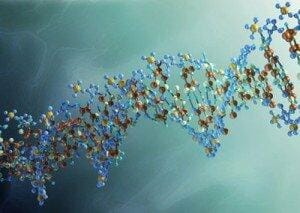
Researchers from Whitehead Institute have solved the 3D structure of the human genome in human adult cells and embryonic stem cells (ESCs). Knowing the location of genes...

Researchers from the Massachussets Institute of Technology, University of Toronto and New York University have developed an algorithm that allows machines to learn like humans,...
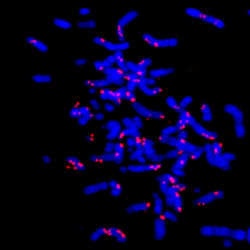
Researchers from the University of Copenhagen have discovered that some parts of the genome don´t replicate during S-phase, but only after entering mitosis. The genomic...
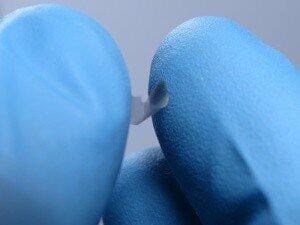
Researchers from Penn University have developed the thinnest film that can be manipulated. The aluminum oxide corrugated plates, thousands of times thinner than a paper sheet,...

Engineers from Columbia University (CU) have developed an integrated circuit that uses adenosine triphosphate (ATP), the molecular unit of currency, as a source of energy....
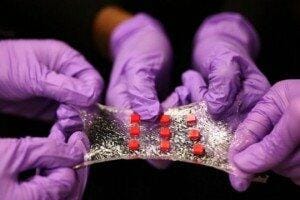
Researchers from the Massachusetts Institute of Technology (MIT) have developed a new material to build intelligent band-aids. The elastic, sticky hydrogel can incorporate drug reservoirs...
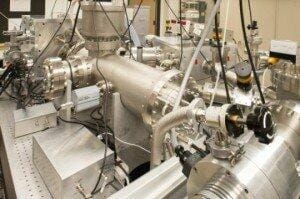
A new imaging device can map the interior of a cell in 3D at the nanoscale. The special mass spectrometer, developed by engineers at Colorado...