
3D printing of embryonic stem cells in building blocks
A new 3D printing method allows to obtain regular blocks of embyonic stem cells (ESCs) that could be used to build larger structures like tissues...
3D bioprinting
Applied biology at scale: engineered organisms, therapeutic platforms and the companies turning biological research into products.
207 articles
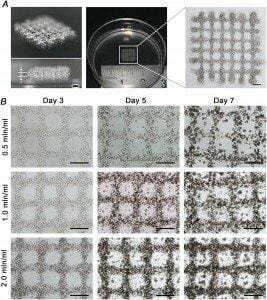
A new 3D printing method allows to obtain regular blocks of embyonic stem cells (ESCs) that could be used to build larger structures like tissues...

Researchers from the Massachussets General Hospital (MGH) have engineered the Cas9 nuclease from Staphylococcus aureus (SaCas9) to recognize more targets. The prokaryote RNA-guided immune system, used as a genome...
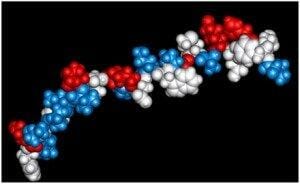
A new technique developed at the University of the Pacific improves the lifespan of peptides in vivo. With the new method, peptides can reversibly bind...

Researchers from the Harvard Stem Cell Institute (HSCI) have found evidence that embryonic stem cells (ESCs) and induced pluripotent stem cells (iPSCs) are functionally equivalent....

Researchers from the University of Washington have obtained mini-kidneys from CRISPR-edited human pluripotent stem cells, modified to mimick genetic diseases. The organoids work as disease...
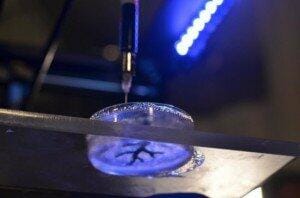
Researchers from Carnegie Mellon University have printed 3D models of hearts, bones, arteries and brains using soft biological materials. The models were based on 3D...
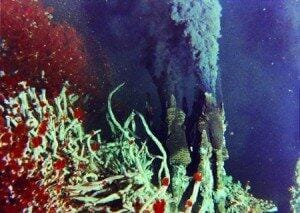
An organism that lives at the bottom of the ocean could help in the fight against climate change. The bacterium, Thiomicrospira crunogena, lives in extremely hot...

The biotech company Intrexon will clone pets via its subsidiary ViaGen. The startup, located in Texas, is specialized in animal cloning technology, gene banking and...