
3D printing of embryonic stem cells in building blocks
A new 3D printing method allows to obtain regular blocks of embyonic stem cells (ESCs) that could be used to build larger structures like tissues...
3D bioprinting
How organisms build themselves, and the community-driven work studying it.
17 articles
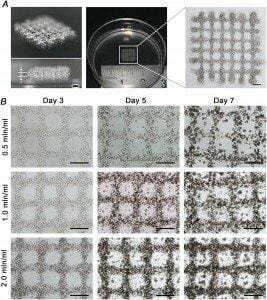
A new 3D printing method allows to obtain regular blocks of embyonic stem cells (ESCs) that could be used to build larger structures like tissues...

Researchers from the Harvard Stem Cell Institute (HSCI) have found evidence that embryonic stem cells (ESCs) and induced pluripotent stem cells (iPSCs) are functionally equivalent....
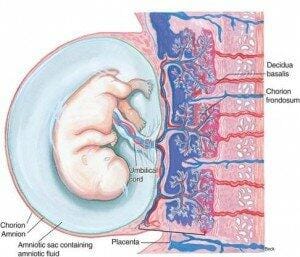
Scientists from Hebrew University of Jerusalem have obtained functional placental cells from epitelial cells, without passing through a pluripotent state. Mouse skin cell nuclei were...

Researchers at MIT and Whitehead Institute in Cambridge have designed the first reporter for DNA methylation at the level of individual cells. The method allows to follow...
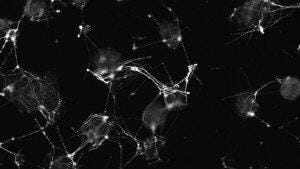
Researchers from the University of California in San Francisco have discovered how to differentiate embryonic stem cells (ESCs) with light. Irradiation with beams of light transformed...
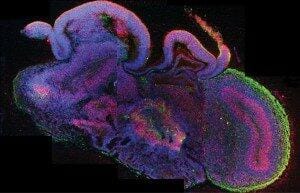
A research team from Ohio State University has developed a brain in vitro that has the maturity of a five-week old human brain. The brain...
A research team from University of California at Berkeley has developed a technique that makes gene editing much easier and cheaper. Rebecca Heald has directed...
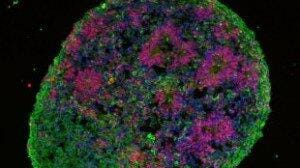
Based on studies on lab-grown cerebral organoids, autism could be linked to an excess of inhibitory neurons. Brain models derived from the skin cells of...