
Mykrobe Predictor Software Identifies Antibiotic Resistance
Researchers from the Wellcome Trust Centre for Human Genetics have developed a new software that predicts antibiotic resistance in bacteria by analyzing their genome. The new...
Apps
Next-generation sequencing: platforms, chemistry, throughput and the analysis tools that follow the run.
60 articles

Researchers from the Wellcome Trust Centre for Human Genetics have developed a new software that predicts antibiotic resistance in bacteria by analyzing their genome. The new...
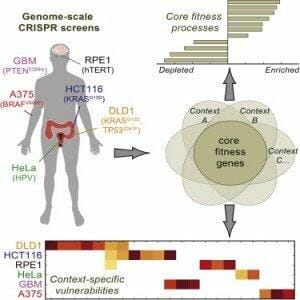
Scientists from the University of Toronto’s Donnelly Centre have identified the minimum set of human genes necessary for survival. Using the CRISPR technology, the researchers switched...
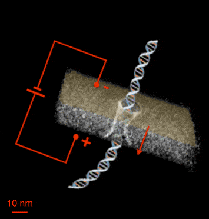
Reseachers from Technion–Israel Institute of Technology and Boston University have developed a nanopore that identifies pathogens from their genomic characteristics. The instrument senses single molecules and detects...
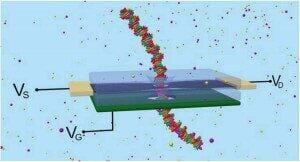
Researchers from University of Illinois at Urbana-Champaign (UIUC) have developed a new nanopore sequencing method based on graphene nanoribbons that detects double and single stranded DNA in...
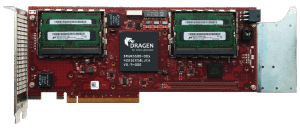
The Genome Analysis Centre (TGAC) will use Edico Genome´s DRAGEN, the world´s first processor specifically designed to analyze DNA sequences. DRAGEN reduces next generation sequencing...

Pacific Biosciences has launched a new sequencer, the Sequel System, with improved throughput and scalability and lower costs and footprint respect to its predecessor, the PacBio®...
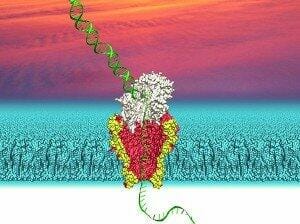
Nanopore’s are proving to be useful for more than just DNA sequencing. The pico sized wonder’s have shown that they can even identify single molecular...

Illumina presented his PopArray Consortium at the Individualizing Medicine Conference at Mayo Clinic in Rochester, Minessota. The initiative aims to collect genomic data from the...