
Human Embryo Gene Editing Authorized for Research Purposes
The Human Fertilisation and Embryology Authority (HFEA) has approved the use of the gene editing tool CRISPR on human embryos for research purposes. After a...
Bioengineering
Breaking developments from across lab technology: instrument launches, company moves, funding rounds and the findings that change how work gets done at the bench.
365 articles

The Human Fertilisation and Embryology Authority (HFEA) has approved the use of the gene editing tool CRISPR on human embryos for research purposes. After a...

A postdoc from the Laboratory of Molecular Biology in Cambridge and a clinical psychologist from the University of Hertfordshire have conceived a card game based on life in...

A new kind of hybrid polymer could be used for self-repairing materials, drug delivery and artificial muscles. The polymer, developed by researchers at Northwestern University, features removable...

Researchers from UC Berkeley have developed wearable sensors that measure the metabolites and electrolytes in sweat and send the information to a smartphone. The device...

A team of scientists from Japan and the US led by the University of Tokyo have developed an ultra-thin pressure sensor that could be used...

Researchers from the University of Texas Southwestern (UTSW) Medical Center have successfully delivered small-RNA drugs to a cancerous liver by introducing them in synthetic nanoparticles. The...

Patient Identification Platform (PatientiP), a provider of clinical trial matching technology, has obtained $2 million in a Series A investment round. The company aims to...
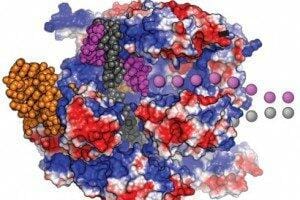
Researchers from UC Berkeley have improved CRISPR/Cas9 gene editing performance by 60%. The team designed a specific DNA template that has the desired sequence and...