
Protein Dynamics Are Predictable from The Amino Acid Sequence
Researchers from CNIO in Madrid and University College London have successfully predicted the movements a protein does to execute its functions. This remarkable advance...
Basic Research
Methods and protocols in practice – how researchers actually run experiments, and the techniques shifting what is possible at the bench.
218 articles
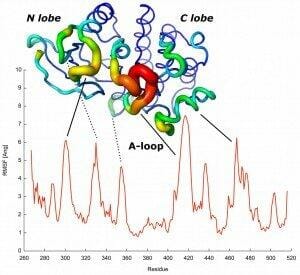
Researchers from CNIO in Madrid and University College London have successfully predicted the movements a protein does to execute its functions. This remarkable advance...

The biotech company Intrexon will clone pets via its subsidiary ViaGen. The startup, located in Texas, is specialized in animal cloning technology, gene banking and...
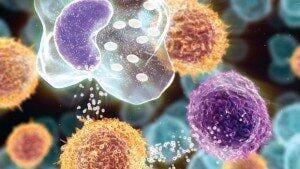
GlycA levels in blood can tell whether a person has an increased risk of severe infection. The finding by researchers from the Universities of Oulu...
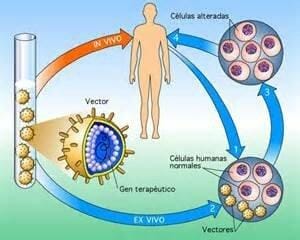
Elizabeth Parrish, CEO of biotech startup BioViva, declared in the website Reddit having undergone an anti-aging gene therapy in a secret location in Latin America, dodging...

A research team lead by the Sanford Burnham Prebys Medical Discovery Institute (SBP) has identified more than 100 new cancer drivers using the power of...

Shimadzu has launched the LABNIRS, a functional Near Infra-Red Spectroscopy (fNIRS) system with high sensitivity and performance, easy operation and great potential for scalability. The...

A team of scientists from The Scripps Research Institute (TSRI) has found a way to transform leukemia cells in Natural Killers (NK) that attack other...

Neuroscientist Michael Hendricks has recently published an article in the online journal MIT Technology Review warning against the technical limitations of cryonics, the low-temperature preservation...