Labcritics Alerts / Sign-up to get alerts on discounts, new products, apps, protocols and breakthroughs in tools that help researchers succeed.
Reachout to Researchers with Our Extensive Marketing Network
Modern scientific marketing partner built for life science brands
A fresh list of 12 problems was announced by Edison Science and Future House last week, sans the 1 million prize that millenium problems in mathematics are usually accompanied with.
Biology has no shortage of difficult questions and challenges faced by humanity, compared to other branches, biology probably has the most number of unsolved mysteries. We still cannot reliably regenerate a complete lost limb in an adult mammal, freeze and revive an intact adult animal without permanent damage, solve ecological problems on a large scale or explain experimentally how non-living chemistry crossed the boundary into an evolving biological system.
The new Millennium Problems for Biology turns 12 of these challenges into concrete experimental targets. Unlike broad ambitions such as “cure aging” or “solve cancer,” these problems define measurable outcomes that researchers can test and prove in the laboratory. The list covers the origin of life, whole-body cryopreservation, reverse translation, Rubisco engineering, quadruplet genetic codes, limb regeneration, biological viral-vector production, programmable proteases, cell-penetrating binders, protein amplification, 3′→5′ polymerases and de novo nitrogenases. The catalogue explicitly frames the problems around quantitative benchmarks, controls, replication and experimental verification.
The timing makes the list particularly interesting. AI has moved beyond using machine learning to analyse biological data. Protein language models can now generate millions of candidate sequences, structural models can filter those designs, and increasingly automated laboratories can synthesize and test them. The most important change may therefore not be that AI can answer biology questions faster. It is that AI can increasingly search biological design space.
THE 12 PROBLEMS AT A GLANCE
#
Challenge
The core question
AI opportunity
01
Origin of life
Can self-replicating cells emerge from plausible chemistry?
Search chemical networks and protocell architectures
02
Whole-body cryopreservation
Can an adult mammal be frozen and revived without permanent damage?
Model cryoprotectant transport, damage and rewarming
03
Reverse translation
Can a protein directly encode its sequence into nucleic acid?
Design molecular information-transfer systems
04
Rubisco
Can we build a Rubisco better than natural enzymes?
Generate and screen millions of new protein sequences
05
Quadruplet genetic code
Can a living cell operate using four-base codons?
Redesign translation machinery and cellular compatibility
06
Limb regeneration
Can an adult mammal regrow a functional lost limb?
Model developmental and bioelectric control systems
07
Biological viral-vector production
Can cells produce precisely specified viral vectors?
Optimize biological manufacturing systems
08
Programmable proteases
Can proteins be designed to cut arbitrary targets?
Generate catalytic specificity and evolve it experimentally
09
Cell-penetrating binders
Can a protein both find a target and enter the right cells?
Jointly optimize binding, stability and delivery
10
Protein amplification
Can proteins copy proteins without nucleic-acid templates?
Search for new information-transfer chemistry
11
3′→5′ polymerases
Can biology synthesize nucleic acids in the opposite direction?
Explore alternative catalytic mechanisms
12
De novo nitrogenase
Can we design nitrogen fixation without copying natural nitrogenases?
Design catalytic centres and electron-transfer architectures
THE AI-BIOLOGY SHIFT
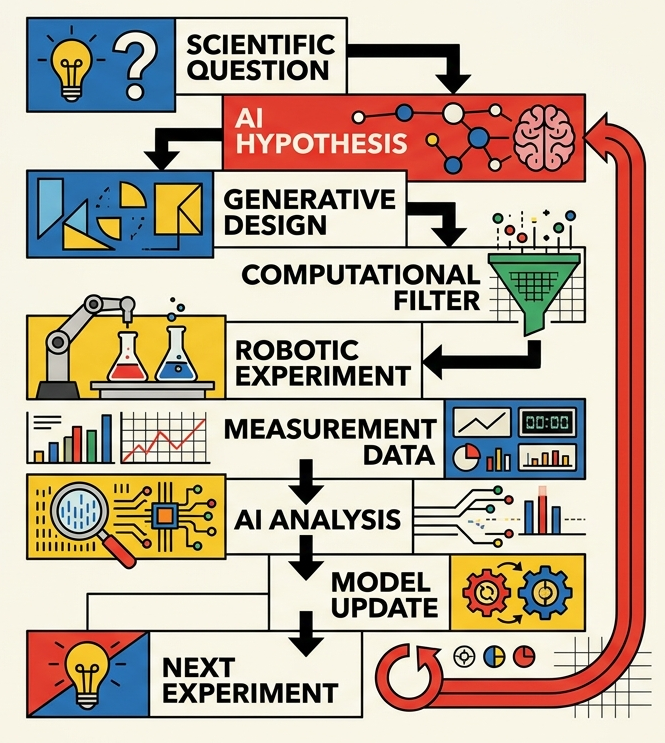
AI does not need to solve biology in one shot. Its biggest advantage may come from making this loop dramatically faster.
1. The Origin of Life: Can Chemistry Build a Living System?
The origin of life problem sounds deceptively simple: how did non-living chemistry become biology? Scientists have reproduced many pieces of the puzzle. Experiments have generated amino acids and other organic molecules under plausible prebiotic conditions. Researchers have developed increasingly sophisticated chemistry for nucleotide synthesis and RNA replication, and laboratory systems can reproduce individual features associated with early life. But none of these demonstrations amounts to the spontaneous emergence of an evolving biological system. The Millennium Problem sets a much higher bar: researchers must demonstrate the unassisted emergence of self-replicating RNA- and protein-based cells in a plausible chemical environment, with a defined compartment, heritable information and sustained expansion. The proposed benchmark requires the population to increase by at least 10⁶-fold, roughly 20 generations, while retaining a mechanism for continued division and heredity.
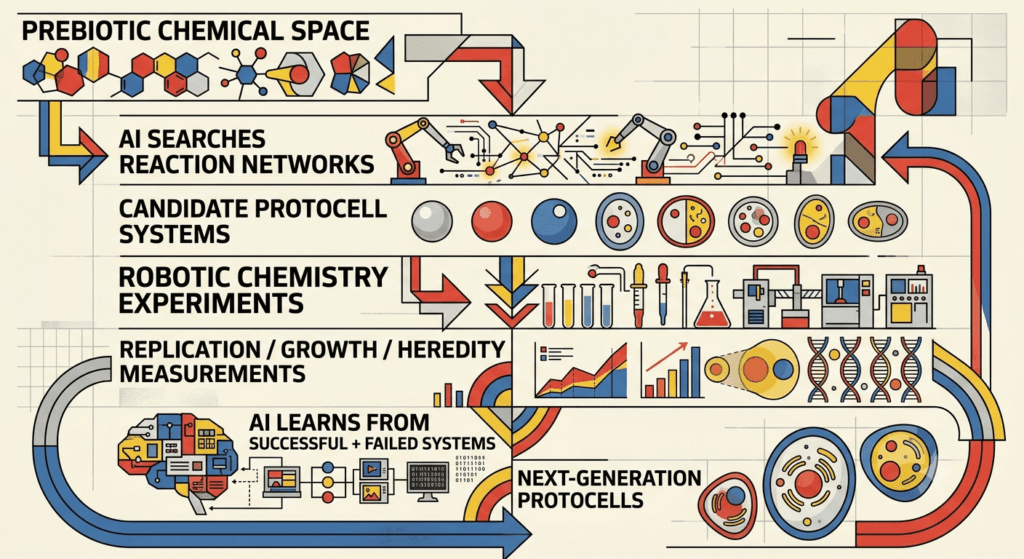
AI could attack this problem by treating prebiotic chemistry as an enormous search problem. Researchers can describe thousands or millions of possible reactions involving nucleotides, peptides, lipids, minerals and energy sources, but experimentally testing every combination remains impossible. Machine-learning models could identify reaction networks that produce useful feedback loops, predict which molecules are stable under particular conditions and search for combinations that simultaneously support compartment formation, information storage and replication. The important distinction is that AI would not simply produce a plausible story about how life began. The useful system would propose experiments that researchers can actually run.
A possible AI-driven origin-of-life loop:
The challenge remains exceptionally difficult because the problem spans chemistry, information theory, compartmentalization and evolution simultaneously. AI may help search the space, but the final proof still has to happen in chemistry.
2. Whole-Body Cryopreservation: Can We Freeze and Revive an Adult Mammal?
Cryopreservation is the stuff billionaire’s dream of, it has made remarkable progress at the level of cells, embryos and some tissues, but whole-body preservation introduces a much harder problem. Conventional freezing creates ice crystals that can rupture cellular structures, while vitrification replaces conventional ice formation with a glass-like state using high concentrations of cryoprotectants. That creates a different set of problems: cryoprotectant toxicity, uneven perfusion, thermal stress, mechanical damage and the difficulty of cooling and rewarming an entire organism without damaging different organs in different ways.
The Millennium Problem sets an unusually demanding benchmark: reversibly cryopreserve an intact wild-type adult mouse, maintain the frozen or vitrified state for at least 24 hours and recover the animal with more than 99% viability without permanent organ damage.
Science has moved closer to solving the defreezing problem in 2026, but the gap remains large. Researchers reported functional recovery of adult mouse hippocampal tissue after vitrification, preserving structural integrity, metabolic responsiveness, neuronal excitability, synaptic transmission and plasticity. The work also demonstrated recovery from whole-brain vitrification in situ. This is an important advance because neural tissue ranks among the most sensitive biological systems to cryogenic damage. However, preserving a hippocampus or brain is not the same as freezing and reviving an entire living mouse, which no one has succeeded in doing so far.
AI could become useful here because cryopreservation involves a large number of interacting variables. A model could simulate cryoprotectant distribution, tissue-specific toxicity, thermal gradients, ice formation risk, mechanical stress and rewarming conditions, then search for protocols that minimize total damage. Eventually, AI-controlled perfusion and rewarming systems could adjust conditions dynamically rather than applying a fixed protocol to every animal.
CRYOPRESERVATION: THE CURRENT GAP
Cryopreservation researchers have demonstrated functional recovery at the adult mouse hippocampus/brain-tissue level. The millennium benchmark has a much harder challenge, it requires recovery of an intact adult mouse with >99% viability and no permanent organ damage. Ultimately leading to full human cryopreservation for inter planetarty travel.
The distinction matters. AI can optimize a protocol, but it cannot make the physical damage disappear. Researchers still need better cryoprotectants, perfusion methods, sensors and rewarming technology.
3. Reverse Translation: Can a Protein Write Its Own Sequence Into Nucleic Acid?
Biology normally transfers information from nucleic acids to proteins, and AI is getting good at predicting what a particular set of nucleic acid will produce. However, not the other way around and we can’t claim to understand cell biology entirely if we can’t predict the genetic code of a protein.
DNA stores the sequence, RNA carries the information and ribosomes translate that information into a protein. The third Millennium Problem asks whether researchers can build a molecular system that works in the opposite direction: a protein catalyst that reads an arbitrary peptide and converts its sequence into nucleic-acid information.
The challenge sets a demanding target: a protein catalyst must convert 100 preregistered 50-residue peptide sequences into nucleic-acid representations with at least 90% sequence accuracy. The system cannot simply look up the peptide sequence in a database or use an indirect computational reconstruction. It has to perform the information transfer experimentally.
Researchers are already closing the technological gap between proteomics and nucleic-acid sequencing. Single-molecule approaches can translate information about peptides into DNA-readable signals, but those methods should not be confused with a biological reverse-translatase. The Millennium challenge requires a molecular catalyst that physically performs the information transfer.
This could become an interesting target for generative protein design. AI models could search for proteins capable of recognizing peptide sequences, positioning amino acids or peptide fragments and coupling recognition to nucleotide synthesis. Structural models could filter candidates before synthesis, while automated assays could test whether the resulting molecules actually preserve sequence information.
The problem may also force AI researchers beyond conventional protein generation. If the required chemistry does not resemble known biological mechanisms, models will need to reason about new catalytic architectures, not simply remix known proteins.
4. Rubisco: Can AI Build a Better Carbon-Fixing Enzyme?
Rubisco may be the clearest example of a Millennium Problem that AI has already begun attacking experimentally.
Ribulose-1,5-bisphosphate carboxylase/oxygenase sits at the centre of biological carbon fixation, but the enzyme has an infamous trade-off between catalytic efficiency and discrimination between CO₂ and O₂. Researchers have spent decades using mutagenesis, directed evolution and genetic engineering to improve Rubisco. The problem remains difficult because folding, assembly, catalytic activity and substrate specificity interact tightly.
AI changes the search strategy. In September 2026, researchers used protein language models to generate approximately 5.6 million Rubisco-like sequences. Using applied computational filtering they selected 21 highly diverse candidates for experimental testing. Six designs showed promise in E. coli, while five produced measurable 3-phosphoglycerate, demonstrating catalytic activity. One design produced an apparent CO₂/O₂ specificity estimate outside the range of the natural Rubiscos tested. Researchers also solved the crystal structure of one de novo design and found that it reproduced the expected dimer and active-site geometry.
AI × RUBISCO
5.6 million candidate sequences generated ↓ 21 candidates experimentally tested ↓ 6 soluble designs ↓ 5 showed measurable activity ↓ 1 design showed an apparent specificity estimate beyond the tested natural range
The problem is not solved — but the search space has changed.
The significance lies in the scale of the search. The researchers did not mutate one natural Rubisco at a time. They generated millions of candidate sequences and used independent sequence and structural filters to identify a tiny experimental set. The five active designs occupied sequence space not represented by the natural training collection, showing that the approach can reach proteins beyond known natural examples.
This is exactly the type of problem where AI could have an outsized effect. Natural evolution optimizes organisms, while an engineering system can explicitly optimize an enzyme for a chosen objective. The next stage will require models that simultaneously optimize catalytic rate, CO₂ specificity, stability, expression and assembly. The workflow increasingly looks like generate → test → learn → generate again.
5. Can a Living Cell Use a Four-Base Genetic Code?
The genetic code normally uses three nucleotide bases at a time, what if there was microorganism that uses four nucleotide bases. With four possible bases, a triplet code provides 4³ = 64 possible codons. A four-base system would provide 4⁴ = 256 possible codons.
That simple mathematical difference creates an enormous engineering opportunity. A cell with a redesigned genetic code could potentially encode additional amino acids and create proteins with chemical functionalities that the standard genetic code does not provide.
Researchers have already demonstrated parts of this concept. Synthetic biology systems can incorporate noncanonical amino acids through expanded genetic codes, and quadruplet codons can function in engineered translation systems. But making a living cell depend on quadruplet codons throughout its genetic system is much harder. The ribosome, tRNAs, aminoacyl-tRNA synthetases, mRNAs and genome all have to work together without destroying cellular fitness.
AI is suited well to solve this by treating this as a systems-engineering problem. Instead of optimizing one tRNA or one ribosomal component, models could explore the interactions among thousands of components. Protein design systems could generate modified translation machinery, while genomic models could identify sequences that minimize unwanted interactions with the existing code.
This connects directly with the emerging field of AI-designed biological machinery. Labcritics recently covered work on AI-designed ribosomes and attempts to rewrite the cellular translation system. The quadruplet-code problem takes the same idea further: rather than merely changing the machinery, researchers would change the language that the machinery interprets.
6. Limb Regeneration: Can an Adult Mammal Rebuild a Lost Limb?
Regeneration exposes one of the biggest differences between humans and some other animals. Salamanders can regenerate limbs and other complex structures, while adult mammals normally respond to severe injury through wound healing, tissue repair and scar formation.
The Millennium Problem asks researchers to regenerate a lost limb in an adult wild-type mouse and restore function comparable to the original limb. That means solving far more than cell proliferation. A functional limb requires bone, muscle, connective tissue, blood vessels, nerves, skin and precise spatial organization. Every component has to appear in the correct location and develop the correct relationships with the others.
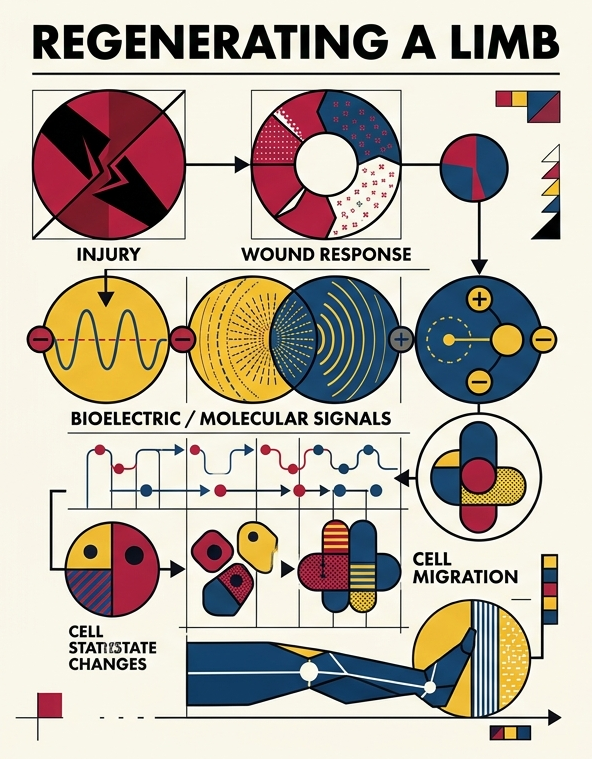
Recent work has made the problem more concrete. Researchers studying bioelectricity, developmental signalling, extracellular matrices and regenerative pathways have shown that adult tissues retain more information about anatomical patterning than researchers once assumed. Michael Levin’s work, for example, has demonstrated that bioelectric states can influence large-scale anatomical development, while recent mammalian studies continue to explore molecular and extracellular approaches to regeneration.
AI could help by turning regeneration into a spatiotemporal control problem. Instead of searching for a single “regeneration molecule,” researchers could model which combinations of signals cause specific cell populations to migrate, proliferate, differentiate and organize. A future system could potentially predict a sequence such as:
The biggest challenge is the scale of the problem, its is not just as simple as protein predition. Protein design AI can work on one molecule at a time, however limb regeneration requires a model that understands many interacting cell types across space and time. That makes this a much harder test of AI biology than designing a protein.
7. Can Biology Manufacture Precisely Defined Viral Vectors?
Viral vectors such as AAV and lentiviral systems have become important tools for gene therapy, but their manufacturing remains a complex biological process. Researchers need cells to produce the right viral components, assemble particles correctly, package the intended genetic material and produce a product with the required infectivity and quality characteristics.
The Millennium challenge asks whether biological systems can produce viral vectors with tightly specified properties, including the required capsid, genome and infectivity characteristics.
AI could approach this problem differently from conventional process optimization. Instead of independently tuning cell density, expression levels, culture conditions and purification parameters, an AI system could model the entire manufacturing process as one interconnected system. Every production run could generate data about host-cell state, protein expression, assembly, packaging and final product quality.
That creates a natural opportunity for autonomous experimentation. A model could choose the next culture conditions, robotic systems could execute the experiment, analytical instruments could measure the output and the results could update the model.
This same design-build-test-learn pattern increasingly appears across AI biology. Labcritics’ coverage of the AI Biodesign Accelerator explores this transition from models that merely predict biological outcomes toward systems that connect AI directly with experimental biology.
8. Programmable Proteases: Can We Tell an Enzyme What to Cut?
Proteases offer one of the most attractive targets for AI protein engineering because the desired function can be described relatively clearly: recognize a particular protein sequence and cut it while leaving other proteins untouched.
Natural proteases evolved to recognize particular substrates, but researchers have already learned how to alter their specificity through directed evolution. AI adds a new starting point. Instead of beginning with a natural enzyme and exploring mutations around it, researchers can redesign the protein first and then use laboratory evolution to refine the function.
A major 2026 Nature study demonstrated exactly this strategy. Researchers used ProteinMPNN to redesign three proteases, then compared laboratory evolution from AI-redesigned proteins with evolution from the corresponding wild-type proteins. The redesigned starting points consistently produced higher activity during evolution. In one experiment targeting the therapeutically relevant protein ataxin-2, the best evolved proteases from the redesigned starting point achieved more than 79-fold greater selected specificity than the best variant evolved from the wild-type starting point.
AI or EVOLUTION
Natural Protein → laboratory evolution
Vs
AI-redesigned protein → laboratory evolution
Result: redesigned starting points opened evolutionary paths that the natural starting point could not access.
This may prove more important than AI generating a perfect enzyme on the first attempt. AI can instead provide better starting points for evolution. The model searches broad sequence space, while evolution performs the final optimization in the laboratory.
That combination could become a standard pattern for enzyme engineering: AI designs the neighbourhood; evolution searches it.
9. Can We Design Proteins That Both Find Targets and Enter Cells Without Degrading?
A protein can have excellent binding affinity and still fail as a therapeutic or biological tool if it cannot reach the target inside a cell. This challenge combines two difficult properties: molecular recognition and cellular delivery.
Researchers have developed intracellular antibodies, nanobodies, engineered protein scaffolds and cell-penetrating peptides, but combining high specificity with efficient cellular entry remains difficult. A protein may bind the correct target but become trapped in an endosome, degrade before reaching its target or cause unwanted interactions with other cellular components.
AI can potentially treat these requirements as a single multi-objective optimization problem. Instead of asking only whether a protein binds its target, a model can optimize for binding affinity, specificity, stability, solubility, cellular uptake and intracellular localization simultaneously.
That is particularly important because the best solution may involve trade-offs. Increasing hydrophobicity might improve membrane interaction but reduce solubility. Increasing positive charge might improve uptake but increase nonspecific interactions. AI can explore these combinations computationally before researchers synthesize the most promising candidates.
The challenge therefore illustrates a broader change in protein engineering: the target is no longer simply a protein sequence. It is a protein with a complete behavioural specification.
10. Protein Amplification: Can We Build a PCR Equivalent for Proteins?
PCR works because nucleic acids contain complementary information. A DNA strand provides a template that allows another strand to be synthesized, and repeated cycles produce exponential amplification. Proteins do not offer an obvious equivalent which could help replicate proteins ane even mass produce them.
The tenth Millennium Problem asks for exponential amplification of arbitrary peptide substrates using amino-acid monomers without a nucleic-acid template, a preformed cognate scaffold or an intermediate reverse-translation step. The proposed benchmark requires at least 100 random peptide sequences of at least 50 amino acids, with amplification of their abundance by at least 1,000-fold and at least 90% sequence accuracy per residue.
This is one of the most chemically radical challenges on the list because it does not simply require a better version of an existing biological machine. It asks researchers to discover a mechanism for transferring sequence information between proteins without using the nucleic-acid machinery that normally carries that information.
AI could help search candidate catalytic mechanisms, but this problem exposes a limitation of current generative biology. If the solution requires chemistry that does not resemble known biological systems, a model trained primarily on existing proteins may have little direct evidence to guide it.
Researchers would probably need to combine generative protein design with computational chemistry, molecular simulation and experimental catalyst discovery.
In other words, this may not be a problem that a better protein language model solves. It may require an AI system capable of reasoning across chemistry, structure and information transfer simultaneously.
11. Can Biology Build a 3′→5′ Polymerase?
Known DNA and RNA polymerases synthesize nucleic acids in the 5′→3′ direction. The eleventh challenge asks for a polymerase capable of synthesizing nucleic acids in the opposite direction. We are really not sure how this could be useful for humans, but its an interesting challenge none the less and could end up teaching us why nature stuck to the 5′→3′ direction instead of 3′→5′ direction.
The problem is not simply that researchers have not found the right protein sequence. Polymerization chemistry, energy transfer, nucleotide activation and proofreading all interact with the direction of synthesis. A successful 3′→5′ polymerase would therefore require a catalytic mechanism that can support the chemistry in a fundamentally different configuration.
AI could help researchers search protein structures for catalytic arrangements capable of supporting alternative chemistry. Protein-generation models could produce candidate active sites, structural models could filter them and quantum-chemical calculations could examine whether proposed reactions make physical sense before researchers synthesize the proteins.
This is another example of where AI’s greatest value may not come from predicting a known function. It could come from searching the enormous space of physically plausible but biologically unexplored structures.
12. Can We Design a Nitrogenase From Scratch?
Nitrogen fixation is one of biology’s most chemically demanding reactions that determines crop growth. Nitrogen gas contains a very strong triple bond, yet nitrogen-fixing organisms use nitrogenase enzymes to convert atmospheric N₂ into ammonia under biological conditions. Natural nitrogenases depend on complex metal-containing cofactors and elaborate electron-transfer systems.
The Millennium Problem asks researchers to produce a protein capable of reducing N₂ to ammonia at rates on the same order of magnitude as naturally occurring nitrogenases while remaining sufficiently different from known nitrogenase and nitrogenase-like protein families. The challenge therefore does not simply ask researchers to improve an existing nitrogenase. It asks whether they can discover an alternative biological architecture for the chemistry.
This makes nitrogenase an extreme test of de novo protein design. Researchers need to coordinate a metal centre, control electron transfer, bind nitrogen and manage the chemistry required to break and reduce N₂. A successful design would need the correct three-dimensional architecture around the catalytic centre while remaining stable enough to function as a protein.
AI could approach the problem from the active site outward. Researchers could define the desired catalytic geometry, generate protein backbones capable of supporting that geometry and then design sequences around them. Structural prediction could filter the designs, while spectroscopy and biochemical assays could determine whether the artificial active site actually performs the desired chemistry.
The challenge is particularly important because it tests whether generative protein design can move from relatively straightforward binding problems to fundamental chemical catalysis.
The Common Thread: AI Needs a Laboratory
The 12 problems look very different, but they share one requirement: computation alone cannot solve them. A model can predict a protein structure, but the protein still needs to be designed and assembled. A model can propose a regeneration pathway, but researchers need to test it in tissue. A model can predict a cryopreservation protocol, but an animals still needs to survive the experiment. A model can generate a hypothetical origin-of-life network, but the chemistry needs to reproduce it.
That makes the convergence of AI and laboratory automation arguably more important than any individual model.
The researcher defines the biological objective and constraints. AI searches candidate solutions. Automated instruments build and test those candidates. The resulting measurements become new training data. The system then chooses the next experiment.
The infrastructure itself remains a bottleneck. An AI system cannot efficiently run a laboratory if every instrument speaks a different software language or requires a human operator. Labcritics has explored this problem in Why Lab Automation Still Lacks a Common Language.
The Problems That AI Can Attack Today
Not all 12 challenges sit at the same technological distance or difficulty. Protein-engineering problems such as Rubisco, programmable proteases and cell-targeting binders already fit naturally into current AI workflows. Researchers can generate sequences, predict structures, rank candidates and experimentally test them.
The quadruplet genetic code, limb regeneration and viral-vector manufacturing problems require a higher level of biological reasoning. The target is no longer one protein but the whole encompasing organism or being. Researchers need to design a system to coordinate many interacting components inside a living system.
The origin of life, protein amplification and 3′→5′ polymerase problems push even further into unknown chemistry. Existing biological datasets may not contain an obvious solution. AI will need to combine protein modelling with chemical reasoning, simulation and experimental exploration.
WHERE THE TECHNOLOGY STANDS
Challenge
AI/design progress
Experimental gap
Rubisco
Rapidly advancing
Better catalytic performance still required
Programmable proteases
Strong experimental progress
Broader zero-shot specificity remains difficult
Protein binders
Rapidly advancing
Cellular delivery remains a major constraint
Genetic-code expansion
Established partial demonstrations
Whole-cell quadruplet dependence remains
Cryopreservation
Useful modelling opportunity
Whole-animal recovery remains the benchmark
Limb regeneration
Early AI opportunity
Complete mammalian regeneration remains unsolved
Nitrogenase
Early-stage de novo design
Fundamental catalytic challenge remains
Origin of life
Exploratory
No complete self-replicating cell
Protein amplification
Very early
Requires fundamentally new chemistry
3′→5′ polymerase
Very early
Alternative polymerization chemistry required
This is not a ranking of the scientific problems. It simply shows how closely current AI and experimental technologies map onto each challenge.
Why These Problems Matter for AI
The Millennium Problems for Biology are interesting because they offer something that many AI-for-science benchmarks lack: a physical definition of success.
An AI model can score highly on a biology question-answering benchmark without discovering anything new. It can generate a convincing explanation of limb regeneration without growing a limb. It can design a plausible protein without producing an active enzyme.
The Millennium Problems require the opposite.
The candidate must be built.
The experiment must work.
The quantitative benchmark must be met.
The result must withstand controls and replication.
That distinction could become increasingly important as AI systems move deeper into scientific research.
The 12 Millennium Problems are not equally mature, and not every problem will necessarily yield to the same technology. Some may require new chemistry. Others may require entirely new experimental platforms. Several will need advances in both computation and biology.
Other Challenges that Should Have Been Part of the Millennium Biology Problems: 1. Next gen Bio manufacturing/bioreactors 2. Neurotech/neural decoding/non-invasive millions+ channel recording 3. Scalable embryo creation 4. Be able to create and modify megabases of DNA 5. Mammalian biological chassis/model 6. Non-polyploid crops/plants 7. Understand polygenic traits 8. < $1 genome sequencing at scale in under 1 hour 9. Non-viral gene therapy that works 10. Artificial womb Runners up 11. Cell from scratch 12. Haploid eukaryotic model organism
1. Build the Next Generation of Bioreactors
The challenge is to build a bioreactor platform that can reliably grow engineered biological systems at industrial scale while maintaining the biological state needed for high-value production.
Biology has become exceptionally good at designing organisms that produce interesting molecules. The harder problem often begins when researchers try to manufacture those molecules at scale in controlled environments.
A microorganism that produces a compound efficiently in a flask does not necessarily behave the same way in a 10,000- or 100,000-liter bioreactor. At industrial scale, cells experience gradients in oxygen, nutrients, pH, temperature, carbon sources and waste products. Mixing becomes a biological variable rather than simply an engineering problem. High-density cultures also create metabolic stress and can change their behaviour during long production runs.
The industry is therefore moving toward perfusion, continuous processing, process analytical technology, AI digital reactor twins, real-time sensors and intensified bioreactors. Current research increasingly combines automation, process modelling, CFD, digital twins and AI-driven control.
Precision fermentation illustrates the problem particularly well. Researchers can now engineer microbes to produce proteins, enzymes, chemicals and other products, but techno-economic analysis, scale-up and downstream processing remain major bottlenecks.
The Millennium-style target
A useful benchmark could require an engineered production organism to maintain a specified productivity and product quality over a defined industrial-scale run, while an autonomous control system dynamically manages the process.
That would turn the challenge from:
“Make a better bioreactor” into “Build a self-optimizing biological manufacturing system that performs predictably at industrial scale.”
AI could become the control system. A digital twin could continuously estimate the physiological state of the culture from thousands of sensor measurements. Reinforcement-learning or model-predictive systems could adjust feeding, aeration, agitation and other process variables before the culture enters an undesirable state.
The bigger opportunity is the self-driving bioreactor:
strain design → fermentation → measurement → AI optimization → next fermentation.
That connects directly with the emerging AI-native laboratory and next-generation biomanufacturing ecosystem.
2. Record and Decode Millions of Neurons Non-Invasively
The challenge is to Record useful information from millions of neurons in a living human brain without penetrating the brain.
Today’s neurotechnology faces a fundamental trade-off. Invasive electrodes can obtain relatively high-quality neural signals from large numbers of neurons, but they require surgery. Non-invasive technologies such as EEG and MEG are much safer and easier to deploy, but their spatial resolution and ability to isolate individual neurons remain dramatically lower.
Even implantable systems are still far from recording the entire brain at cellular resolution.
A 2026 platform demonstrated 5,376 simultaneous recording channels, illustrating how quickly high-channel-count electrophysiology is advancing. But 5,000 channels is still tiny compared with the approximately 86 billion neurons in the human brain.
The Millennium-scale problem would therefore not simply be “build more electrodes.”
It would be: Create a non-invasive system capable of extracting meaningful information from millions of neurons simultaneously.
Why this matters
Such a technology could transform:
brain-computer interfaces
neurological diagnosis
neuroprosthetics
stroke rehabilitation
epilepsy monitoring
cognitive neuroscience
communication for people with paralysis
understanding consciousness and perception
The real breakthrough would come when researchers could move from coarse brain activity to high-dimensional neural representations.
Where AI helps
This may be one of the clearest areas where AI becomes essential. The signal from any individual sensor contains a mixture of neural activity, noise, physiological artefacts and signals from neighbouring brain regions.
Machine-learning systems can learn the mapping between these noisy measurements and underlying neural states. The future could combine:
AI would effectively become the reconstruction layer between imperfect physical measurements and the underlying neural activity.
The long-term objective is not merely to “read the brain.” It is to create a high-bandwidth, non-invasive neural interface.
3. Create Human Embryos at Scale From Stem Cells
The challenge is to develop a scalable, reliable system for generating developmentally competent embryos or embryo-like structures from laboratory-derived cells.
This is one of the most consequential problems on the list because it sits at the intersection of reproductive biology, developmental biology and synthetic biology. Researchers can already create increasingly sophisticated synthetic embryo models from stem cells. Recent reviews report embryo-like systems involving human, mouse, non-human primate and bovine cells.
But these systems remain far from a robust substitute for natural reproduction. Researchers still struggle to reproduce the precise sequence of:
implantation → gastrulation → axis formation → organ development → placental development → fetal development.
Another potentially transformative technology is in-vitro gametogenesis (IVG): producing eggs or sperm from pluripotent stem cells. Human IVG remains experimental. The American Society for Reproductive Medicine states that no human safety data currently supports clinical use.
That distinction is crucial.
The scientific challenge is not simply to “Make an embryo”, it is to Generate developmentally competent embryos reproducibly, at scale, with predictable genetic and epigenetic states.
4. Write and Rewrite Megabases of DNA With Precision
The challenge is to reliably synthesize, assemble, deliver, maintain and functionally modify megabase-scale DNA in mammalian cells.
Synthetic biology has become extraordinarily good at manipulating small pieces of DNA. The difficulty rises dramatically when the sequence becomes hundreds of kilobases or megabases long.
A human genome contains roughly 3 billion base pairs. The ability to write a few thousand bases does not automatically scale to writing an entire chromosome.
Recent work has nevertheless moved the field significantly forward. Researchers now have technologies for megabase-scale human DNA assembly and transfer, yeast-mediated delivery and human artificial chromosomes.
Human artificial chromosomes are particularly interesting because they could provide large, stable genetic payloads without integrating the entire construct into an existing chromosome. A 2026 review describes HACs as engineered chromosome-scale DNA molecules that can replicate and segregate autonomously in mammalian cells.
The real Millennium Problem
The target should not be “Synthesize one megabase of DNA.”
Researchers have already demonstrated pieces of this capability.
A harder and more meaningful target would be:
Design and install a megabase-scale synthetic DNA program in a mammalian cell, with sequence-level accuracy and predictable biological function.
That would move synthetic genomics from editing genomes to programming genomes.
Tailor-made for Generative AI
AI could design large genomic architectures by simultaneously optimizing:
regulatory sequences
gene expression
chromatin state
genome stability
metabolic burden
cellular phenotype
Instead of designing DNA one promoter at a time, AI could optimize an entire genomic region as a system.
This is the biological equivalent of moving from designing individual components to designing an entire operating system.
5. Build a Truly Programmable Mammalian Biological Chassis
The challenge is to create a mammalian cell chassis whose genome, metabolism and regulatory systems researchers can predictably reprogram.
Microbial synthetic biology has a major advantage: organisms such as E. coli and yeast are comparatively tractable. Mammalian cells are not. Their behaviour depends on chromatin, epigenetics, signalling pathways, cell-cell communication, metabolic state and environmental context.
The difficulty has become sufficiently important that ACS Synthetic Biology dedicated a 2026 special collection to mammalian synthetic biology. The field is moving from simple genetic circuits toward systems that operate within the complex regulatory environment of mammalian cells.
A genuine mammalian chassis would be analogous to a standardized engineering platform. Scientists could reliably insert a genetic program and know what the cell would do.
That could underpin:
cell therapies
biological manufacturing
regenerative medicine
disease models
biosensors
living therapeutics
programmable immune cells
AI’s contribution
The mammalian cell is too complicated for humans to model completely.
AI could build cell foundation models capable of predicting how genetic changes alter cellular state.
The ideal system would eventually answer: “If I make these 50 changes to this cell, what happens?”
Rather than requiring 50 separate experiments, AI would narrow the search space to the most informative combinations.
This is where AI + single-cell biology + automated experimentation becomes extremely powerful.
6. Create High-Performance Non-Polyploid Crops
The challenge is to develop agriculturally useful crops with simplified, non-polyploid genomes that retain or exceed the performance of their polyploid counterparts.
This is a fascinating problem because plant genetics contains a structural complication that often gets overlooked. Many important crops are polyploid. They contain multiple copies of chromosomes and therefore multiple copies of many genes.
Polyploidy can provide useful biological properties, but it also makes engineering substantially more difficult. Researchers may need to modify multiple copies of a gene rather than one.
Recent work continues to highlight the difficulty of editing autopolyploid crops because of allelic redundancy, genotype-dependent transformation, multiallelic editing and chimerism.
Instead of becoming better at editing increasingly complicated genomes, an alternative challenge would be to ask: Can we redesign crops around simpler genomes?
That could make future agricultural biotechnology dramatically easier.
But the biggest challenge would remain biological validation: a plant that performs well in a controlled environment may behave completely differently in a field.
7. Understand and Control Polygenic Traits
The challenge is predict how combinations of thousands of genetic variants produce complex traits, and then manipulate those traits predictably.
This may be one of the most important problems in all of biology. Single-gene disorders are comparatively straightforward.
Complex traits are not. Height, intelligence, diabetes risk, immune responses, crop yield, drought resistance and many other phenotypes emerge from many genetic variants interacting with each other and with the environment.
Current crop research illustrates the challenge particularly well. Polygenic traits involve numerous loci and strong genotype-by-environment interactions, making single-gene editing insufficient. Researchers increasingly combine genomic selection, genome editing, multi-omics and high-throughput phenotyping.
The human problem is even harder.
The Millennium target
A powerful benchmark could be: Predict the phenotype resulting from a defined combination of genetic variants across a complex trait, then experimentally reproduce the predicted phenotype.
That would be a real test of whether we understand genetic architecture rather than merely finding statistical correlations.
8. Sequence a Human Genome for Less Than $1 and under an hour
The challenge is to perform sufficiently accurate whole-genome sequencing at a total cost below $1 per genome, at population scale.
The price of sequencing has already collapsed since the Human Genome Project to under $100 per human genome. Sequencing technologies continue to improve throughput and reduce costs further.
But bringing it to $1 is a whole different challenge, especially doing it in one hour. At $1 per genome, sequencing could become economically viable for enormous populations rather than primarily for people with a clinical indication or researchers running large studies.
Imagine sequencing:
1 million people → $1 million
100 million people → $100 million
That could produce datasets large enough to fundamentally change human genetics.
But the real challenge is not merely reagent cost.
A true “$1 genome” would need to include sufficient:
accuracy
coverage
sample preparation
data processing
quality control
to make the resulting genome scientifically useful.
AI becomes increasingly important as sequencing gets cheaper
At extremely low sequencing costs, the bottleneck moves from reading DNA to interpreting it.
AI could:
identify pathogenic variants
reconstruct haplotypes
interpret structural variants
predict regulatory effects
connect variants with phenotypes
prioritize clinically relevant mutations
The $1 genome therefore becomes much more powerful when paired with the polygenic-traits challenge.
9. Develop Non-Viral Gene Therapy That Works Reliably in the Body
The challenge is to deliver genetic medicines to the right cells in vivo using non-viral systems, with sufficient efficiency, specificity, durability and safety for routine clinical use.
This problem has already seen extraordinary progress but nothing that can actually help humans. Lipid nanoparticles have transformed RNA delivery, while researchers are developing polymeric nanoparticles, extracellular vesicles, biomimetic systems and other platforms. A 2026 review describes LNPs, polymers, inorganic materials and extracellular vesicles as major non-viral delivery approaches for RNA, DNA and CRISPR systems.
But delivery remains one of the central bottlenecks in gene therapy. Getting an RNA molecule into a cell is one problem. Getting it into the correct cell type in a human body is much harder.
The challenge becomes even greater when the target is:
brain
heart
skeletal muscle
pancreas
bone marrow
specific immune cells
Recent research continues to focus on tissue-specific targeting, immune responses, cargo capacity and repeat dosing.
The Millennium benchmark
Rather than simply asking for “a non-viral vector,” the challenge could specify:
Deliver a defined genetic payload to a defined cell population throughout a human organ with clinically meaningful efficiency, low toxicity and repeat-dose capability.
AI’s role
AI can optimize both sides of the problem.
Cargo design: What RNA, DNA or editing machinery should be delivered?
Carrier design: Which nanoparticle chemistry will deliver it?
Generative models could explore enormous libraries of lipid and polymer structures while predicting biodistribution and toxicity.
The eventual system could look like: AI-designed cargo + AI-designed carrier + AI-predicted tissue targeting.
10. Build an Artificial Womb
The challenge is to maintain fetal development outside the biological uterus for clinically meaningful periods.
Artificial womb technology is no longer purely science fiction. The most advanced work has involved extra-uterine support systems for extremely premature animal fetuses, including the EXTEND system developed for fetal lambs.
Researchers have also developed systems for studying earlier embryonic development. A 2026 review highlights artificial-womb work spanning fetal models, ex-vivo uterine perfusion, endometrial organoids and embryo culture systems. But an artificial womb has several problems that must all be solved simultaneously.
It must reproduce:
gas exchange
nutrient delivery
waste removal
endocrine signalling
immune interactions
fluid environment
mechanical conditions
developmental timing
The challenge is therefore not simply building an incubator. It is reproducing the biological environment of gestation. This challenge also intersects strongly with the synthetic-embryo and IVG challenges above, although these should remain separate because they solve fundamentally different biological problems.
11. Build a Cell From Scratch
The challenge is to construct a genuinely living cell entirely from defined non-living components that can maintain itself, grow, evolve, replicate its genome and divide.
This may be the most fundamental problem on our list and has made considerable progress. Scientists have created increasingly sophisticated synthetic cells, but historically no system simultaneously reproduced all the defining properties of a living cell.
That boundary has started to move . In July 2026, researchers reported a chemically defined synthetic cell with a 90-kb genome capable of genome replication, growth, resource acquisition and genetically encoded division in a complete cell cycle.
Another 2026 effort, PURE makes PURE, demonstrated progress toward self-regenerating cell-free biochemical systems by reconstructing the components required for protein synthesis. These are important steps. But the full problem remains enormous, since a cell needs to:
maintain a boundary → acquire energy → process information → manufacture molecules → replicate its genome → grow → divide → maintain homeostasis.
And it must perform these processes simultaneously. If researchers build a cell from scratch, biology moves from editing existing life to engineering life from first principles.
12. Create a Haploid Eukaryotic Model Organism
The challenge is to create a stable, self-propagating haploid eukaryotic organism that researchers can use as a general-purpose experimental model.
This is a deceptively powerful idea. Humans and most mammals are diploid: they carry two copies of most chromosomes. Haploid cells contain only one chromosome set. That makes genetics dramatically simpler.
In a haploid system: one mutation → one allele → one phenotype. There is no second copy masking the effect. Yeast already gives researchers a powerful haploid eukaryotic model, but a broadly useful multicellular haploid model organism would open entirely new experimental possibilities.
It could make it easier to study:
essential genes
gene interactions
developmental pathways
genetic screens
genome engineering
drug targets
Imagine a vertebrate-like organism where every mutation is immediately visible. That would be an extraordinary research platform opening up new research possibilities.
BONUS CHALLENGE: A Universal Research Collaboration Platform
Research has been plagued by problems that were inherited from systems put in place by the previous century. These broken systems encompass trust, impact factors, publishing, proof of contribution and more. No one has attempted to solve these problems in a meaningful way and by treating the entire research ecosystem as a whole.
Some new entrants like Unblock Research are building ecosystems using blockchain, zero knowledge proofs, decentralized digital identifiers, etc. Trying to fix the problem as a whole instead of focusing on individual problems.
Science communicator with more than two decades of experience covering traditional and modern lab technologies such as NGS, LIMS and more recently AIxBio and Decentralized Science. Personally involved in building Unblock Research a platform of concentrated efforts to remove research bottlenecks.
We use cookies to provide you with the best possible experience. They also allow us to analyze user behavior in order to constantly improve the website for you. Privacy Policy
Privacy Preference
Strictly NecessaryAlways on
Performance
Functionality
Targeting or Advertising
Strictly Necessary
These cookies are necessary for the site to work and cannot be switched off. They are set in response to things you do — signing in, submitting a form, or recording the privacy choices on this panel. They also cover the spam protection on our forms. You can block them in your browser, but parts of the site will stop working.
Performance
Analytics that tell us which pages are read and how people arrive, so we know what to write more of. We use Google Analytics for this. Decline and it still counts the visit, but without cookies and without anything that could identify you.
Functionality
Remembers preferences so the site behaves consistently between visits — things like dismissed notices and choices you have already made. Declining loses those conveniences; nothing else breaks.
Targeting or Advertising
Used to measure sponsorships and show relevant promotions. Labcritics does not sell your data, and sponsors never receive it. Declining means promotions are untargeted — you will see the same number of them.